 GP Exam Prep: What Actually Helps


Starting GP training is exciting, but it can also feel incredibly overwhelming at first. The learning curve is steep, the consults are short (not like 3 hour gen med ward rounds!), and suddenly you’re expected to manage uncertainty, stay on time, and function essentially independently.
Most registrars feel a bit like a fish out of water in the beginning, and honestly, that’s very normal!
For many people, GP is their first time working relatively independently after years in hospital systems. Hospital medicine is far more team-based, there’s often immediate senior support nearby, and the workflow itself is very different. GP is wonderfully autonomous, but that autonomy can initially feel uncomfortable or lonely.
The good news is that things do settle with time. You start developing systems, recognising patterns, and building confidence through repetition. The first 6-12 months are less about “knowing everything” and more about learning how to be safe.
One of the biggest shifts in GP is learning how to structure consultations efficiently.
Early on, focus on developing good habits rather than trying to have a perfect consultation every single time. Having a reliable approach makes a huge difference when you’re moving through short consults all day. This can include:
Eliciting the patient’s agenda from the beginning
Setting clear agenda expectations (managing ‘lists’)
Focused history-taking
Focused examination
Rational investigation ordering
Structured counselling and management
Safety netting and planning follow-up
You’ll also naturally develop efficient workflows within the software over time (e.g. ‘shortcuts’ for templated documentation), which can help consultations feel much less mentally exhausting.
Another important skill is consciously remembering to “zoom out” clinically. What the patient presents with isn’t always the thing that most needs attention, and cognitive biases can creep in very easily when clinics are busy.
A lot of the art of general practice is reflecting and asking yourself: “What do I need to rule out here to be safe?” and “What is the patient actually trying to tell me?”
One of the hardest things in GP early on is deciding:
Who needs emergency department review?
Who can safely stay in the community?
Who needs to come back for a review and when?
When do you ask for help?
Who do you ask for help?
That judgment develops gradually through exposure, repetition, and becoming familiar with the local clinical context and its services.
In paediatrics especially, a really helpful mindset shift is this:
“Don’t just listen to the parent… hear what they’re trying to tell you.”
Often parents are communicating to you that “This is different from usual and I’m worried” or “I think things are okay, but I need reassurance.”
The end-of-bedside “sick vs not sick” assessment develops over time and can feel especially uncomfortable if you had limited paediatric exposure in hospital medicine - but this is when registrars should be asking their supervisor for help.
One of the hardest parts of GP training is balancing study around real life. A lot of registrars are juggling work, family, relationships, kids, financial pressures, and trying to maintain some level of normal life outside of medicine!
On top of this, study and exams will eventually rear its head as yet another thing to fit in. Trying to squeeze huge blocks of study into random gaps usually just leads to frustration. Instead, try to plan your week realistically and specifically around what you can actually achieve, whether that’s:
10 practice AKTs during the workday, between patients
Reviewing a specific guideline after clinic
A focused 1-hour session once the house is finally quiet
Some registrars also adjust clinic hours slightly during exam periods if possible.
One of the biggest mistakes is sitting down intending to vaguely “study GP.”
That’s overwhelming for anyone.
It’s much easier to approach study with a specific goal:
Revise acute asthma
Complete 20 KFP questions
Review antenatal screening
Read an AJGP article on iron deficiency
Clear goals make study sessions feel achievable and productive.
Another underrated tip is making sure the people around you understand what this season of life involves. GP exams are difficult, and having support from family and friends genuinely makes a difference.
This is honestly one of the best parts of GP training - every patient becomes a learning opportunity!
If you feel like you’re not getting enough variety in your presentations, speak to your supervisor or practice manager early. It’s much easier to learn conditions when you’re seeing them regularly in practice.
Get comfortable looking things up during consults too (eTG, AMH, HealthPathways, AJGP articles, UpToDate) - yes, it will feel a bit awkward - but this is a sign of a good doctor who is ensuring that they are applying the latest evidence/guideline to the patient in front of them. It is okay to let a patient know you are checking that your plan is in line with the most up to date guidelines.
A really useful habit is keeping your own running ‘GP notes’ somewhere like Notion, OneNote, or Google Docs. Over time, you build your own mini GP handbook with high-yield management summaries and clinical pearls from real patients. Most GPs continue using these notes well after fellowship.
Almost every GP registrar feels overwhelmed at the beginning. Remember, you do not need to feel confident immediately.
The goal early on is simply to:
Build safe systems
Learn from your patients
Ask for help early
Become more comfortable with uncertainty
Slowly develop confidence through repetition
A lot of confidence in GP simply comes from seeing the same things over and over again. For now, take it one consult at a time.
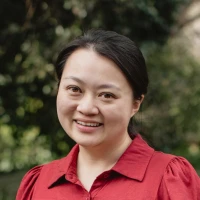
Krystal is a rural general practitioner with a particular interest for women’s and mental health. She is a Senior Clinical Lecturer in Medicine and a Senior Editor at eMedici. She is passionate about equity in medical education and healthcare. Krystal completed her medical degree at the University of Melbourne in 2019, followed by hospital and general practice training in Northeast Victoria. She has completed additional training in emergency, child health and women’s health. She is a Fellow of the Royal Australian College of General Practitioners. Krystal was awarded the RWAV award for the highest aggregate RACGP examination score in 2023.
Outside of medicine Krystal enjoys running, spending time with her family, beach walks and relaxing with a good book and a cup of tea.
Hannah is Editor-in-Chief at eMedici. She is a General Practitioner with Fellowship of the Royal Australian College of General Practitioners (FRACGP) as well as University academic, based in Adelaide, South Australia. She completed her MBBS at the University of Adelaide in 2015 and Master of Clinical Education at Flinders University in 2017. Hannah is also Fellow of the Higher Education Academy, Fellow of the Academy of Medical Educators, and Associate Fellow of the Australian and New Zealand Association for Health Professional Educators.
She joined eMedici in 2014 as a contributor of MCQs and now oversees all content on the platform. She enjoys engaging with the wider Community of Practice at eMedici (universities, students, editors, reviewers) and working with like-minded peers to drive innovation in the delivery of digital health professions education.
GP Exam Prep: What Actually Helps
 One Study, Global Impact: The Far-Reaching Power of Health & Medical Research
 A Day in the Life of a Rural Generalist
 ACEM Primary Exam Prep: One Question at a Time
